a restorative justice project

introducing arts in prisons across Maharashtra

Just: Music

Sameer Chaudhary

Lorem ipsum dolor sit amet, consectetur adipiscing elit. Ut elit tellus, luctus nec ullamcorper mattis, pulvinar dapibus leo.

Sameer Chaudhary

Lorem ipsum dolor sit amet, consectetur adipiscing elit. Ut elit tellus, luctus nec ullamcorper mattis, pulvinar dapibus leo.

Principles for Reimagining

the Justice System

Dynamics of privilege and power affect conflict and harm
Many people who end up in prison are from underprivileged or marginalised backgrounds. Many are victims of wider social injustices.

People in prison may not meet society’s standards of perfect victimhood. Many have acted in ways that caused harm to themselves or others.

But within a justice system slanted against them, there is often little opportunity for repair, or escaping systems of oppression built around stigma and blame.
 
 
People who harm others are often victims of trauma
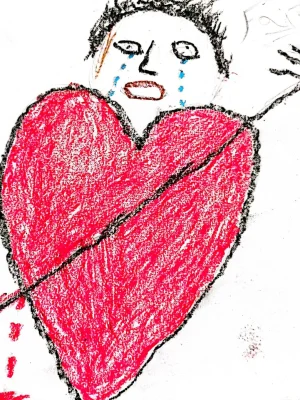
Violence and harm exist as a cycle. Some one harms you, you bury the pain, it comes out elsewhere on someone else.

We must work on developing a system of conflict resolution for our society that results in this cycle of harm being broken.
 
 
Individuals and Communities are Interdependent

 Communities must work towards reintegration and healing where individuals commit harms. And individuals who harm others must take responsibility for the consequences of their actions on others.

Justice is best secured through accountability, repair, and healing

being given the chance to speak freely about the harm they experienced. They want their experience to be recognised as valid .
sometimes, they want concrete forms of repair from the person who caused harm before they can resume trusting that individual and society as a whole.
Our justice system must centre the process of repair around the victim’s needs.

For the offender:

Not being isolated, shamed or stigmatised or identified with their harmful action permanently. Being given a second chance.
Having the chance to explain their own experience.
Having the chance to take responsibility for their actions without sacrificing their lives, livelihoods, security, family, and reputation.
For the community:

Indirect experiences of harm should also be taken into account — for example, a hate crime against a person of a particular faith, caste, gender can indirectly affect members of the wider group.
 

Punishment and isolation cause further harm and trauma

People who end up isolated and stigmatised due to their actions can experience even more trauma in confinement. Instead of breaking the cycle of harm, they end up even more likely to commit harms, or become repeat offenders.

Effective solutions are built between stakeholders

A justice system should not put unnecessary barriers between parties in conflict, and give them opportunities to resolve, repair and heal.

In our justice system, sadly, as soon as lawyers get involved — parties in conflict are asked to stop talking with the other side. Strained communication or no communication is tied to an increased breakage of trust. Often, this prevents the opportunity for what parties in conflict most need — which is to be heard by the other person

Impact

100+

Lorem ipsum dolor sit amet, consectetur adipiscing elit. Ut elit tellus, luctus nec ullamcorper mattis, pulvinar dapibus leo.

40+

Lorem ipsum dolor sit amet, consectetur adipiscing elit. Ut elit tellus, luctus nec ullamcorper mattis, pulvinar dapibus leo.

500+

Lorem ipsum dolor sit amet, consectetur adipiscing elit. Ut elit tellus, luctus nec ullamcorper mattis, pulvinar dapibus leo.

We Teach

Lorem ipsum dolor sit amet, consectetur adipiscing elit. Ut elit tellus, luctus nec ullamcorper mattis, pulvinar dapibus leo.

Connect

We'd love to hear from you
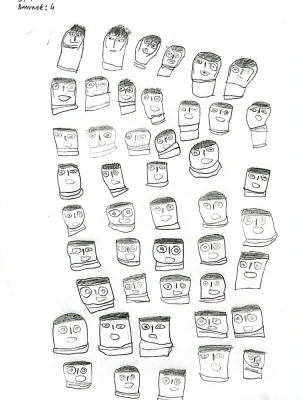
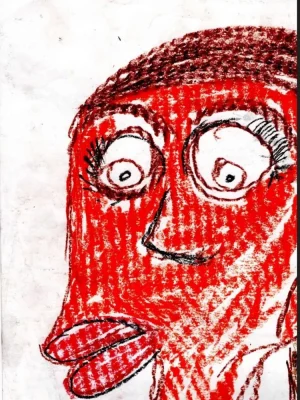
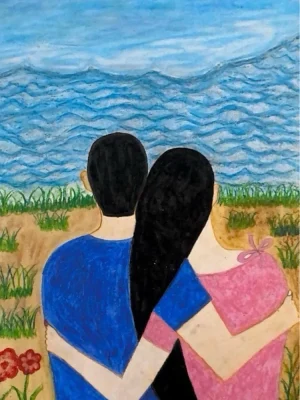
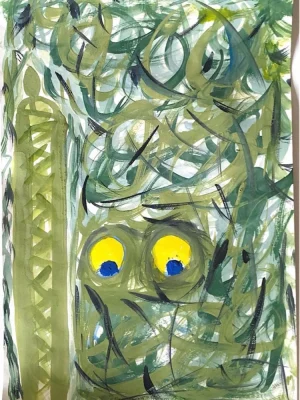
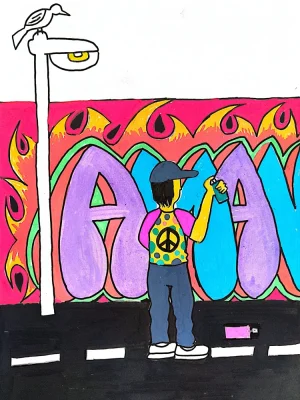
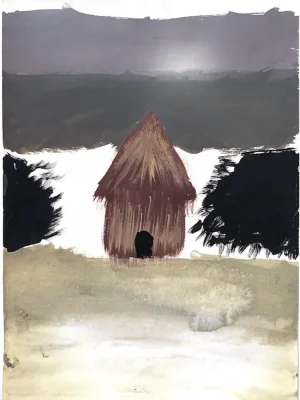
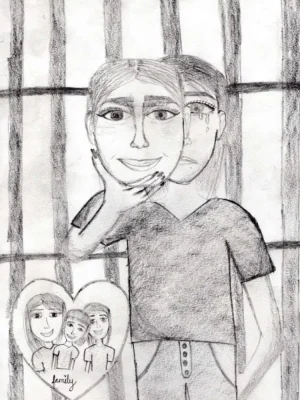
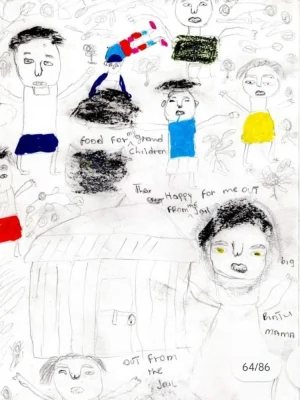
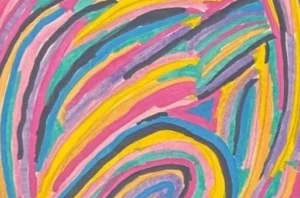
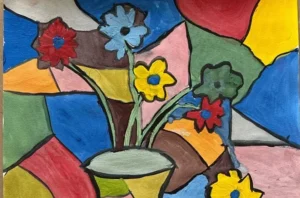
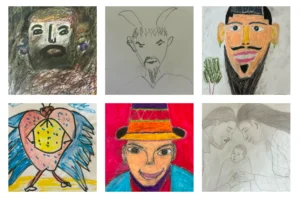
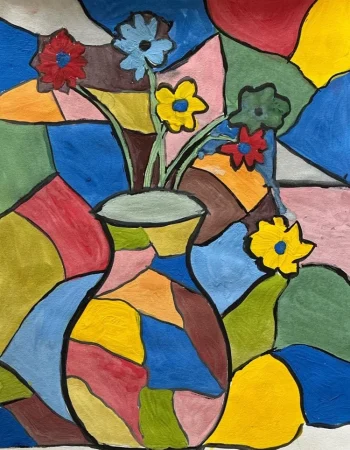
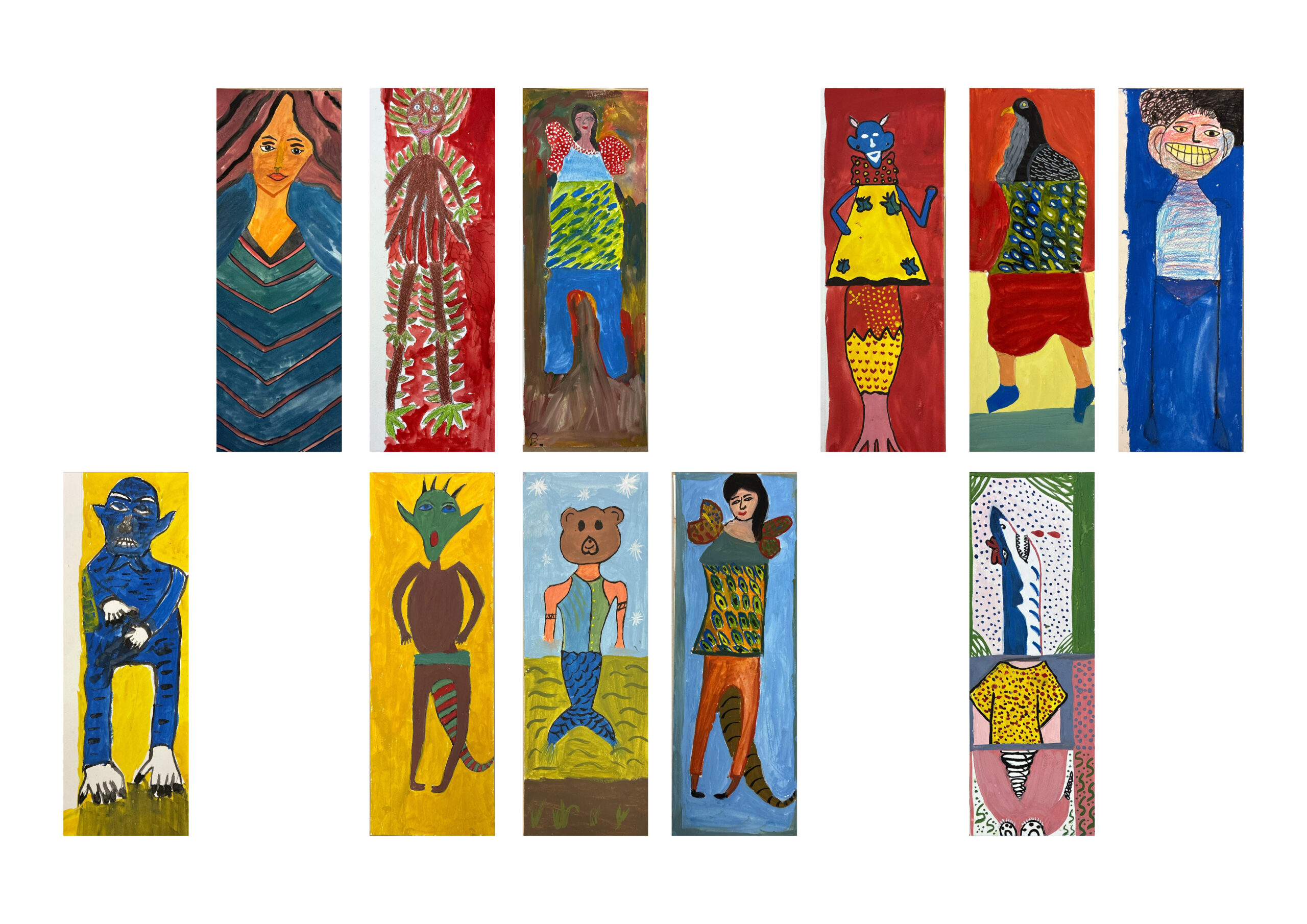
ou can contribute to our work in many ways. Just look at art on this page, let it move you! Email us to buy artworks, or make donate materials and supplies.

If you’re a musician or performer interested in working with us, connect with us at contact@plusnineone.org


Sunday Newsletter

You don’t have to be in a physical prison to feel trapped in routine, in a job, or in social conventions. We are committed to freedom as a practice — that includes expanding our inner worlds through a never ending pursuit of wonder and curiosity.

You don’t have to be in a physical prison to feel trapped in routine, in a job, or in social conventions. We are committed to freedom as a practice — that includes expanding our inner worlds through a never ending pursuit of wonder and curiosity.

Scroll to Top